


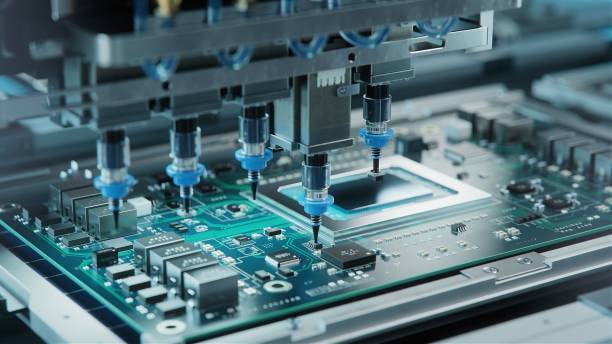

Low-volume PCBA prototyping is most valuable when it creates a controlled path to production. A prototype build should validate more than electrical function: it should also expose data gaps, sourcing risks, assembly constraints, programming steps and test coverage. The records from this stage become the foundation for repeat orders.
Freeze the correct data set for the prototype
Identify the Gerber or ODB++ revision, BOM revision, centroid file, assembly drawing and firmware file used for the build. Mark development parts and temporary substitutions. A build record prevents confusion when the design changes after testing.
Review the manufacturing inputs listed on the PCBA capability page and use the RFQ checklist to close missing information.
Use DFM feedback to improve the release package
Prototype DFM can reveal polarity ambiguity, footprint mismatch, panelization issues, inaccessible test points and process-sensitive packages. Resolve questions with updated controlled files so the next build does not rely on memory.
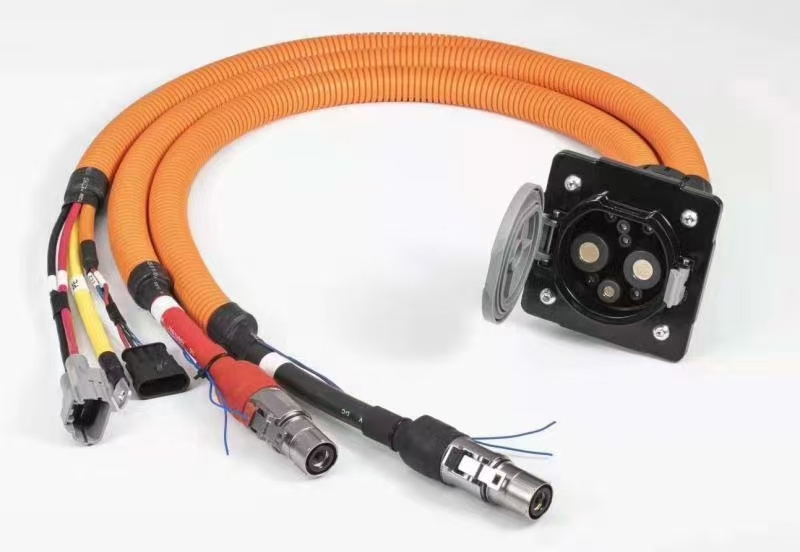
For connected assemblies, include harness and connector interfaces during review. The wire harness page explains the complementary data needed.
Plan component sourcing for prototype and scale
Prototype quantities may use available packaging or approved alternates, while production requires a stable purchasing plan. Identify long-lead items, minimum order quantities, obsolete parts and components that need customer approval before substitution.
When a part changes, confirm electrical, mechanical and firmware impact. Approved sourcing decisions belong in the production BOM.
Capture programming and test results
Document firmware revision, programming method, test setup, limits and results. If a prototype fails, distinguish design, component, assembly and test-fixture causes before changing the process.
The engineering and quality coordination route helps keep technical questions, samples and corrective actions connected.
Create a production-readiness review
Before the first repeat batch, confirm approved data, component status, assembly process, test fixtures, acceptance criteria, packaging and delivery schedule. Record remaining risks and owners.
If final device integration is required, include product assembly coordination in the review and submit the released package through Request a Quote.
RFQ checklist
- Released prototype data and revision list
- Approved component sources and substitutions
- DFM decisions and drawing updates
- Firmware, programming and test records
- Sample findings and corrective actions
- Production quantities, packaging and delivery plan
Frequently asked questions
How many boards should a prototype build include?
The quantity depends on engineering validation, destructive testing, firmware development and stakeholder needs. Include enough units to support the planned evaluation rather than choosing a generic number.
Can prototype components differ from production parts?
They can when the difference is documented and approved. Confirm the impact and replace temporary parts in the controlled production BOM.
When is a PCBA ready for production?
Production readiness requires approved design data, sourcing decisions, assembly feedback, programming instructions, test coverage and acceptance criteria.
Should functional testing be used for prototypes?
Use functional testing when it supports design validation and future production control. Define the fixture, procedure and pass/fail limits.
Discuss your project
Send drawings, BOMs, quantities, quality expectations and delivery requirements. ECO ELECTRONICS will review the scope and coordinate a suitable manufacturing route.
