




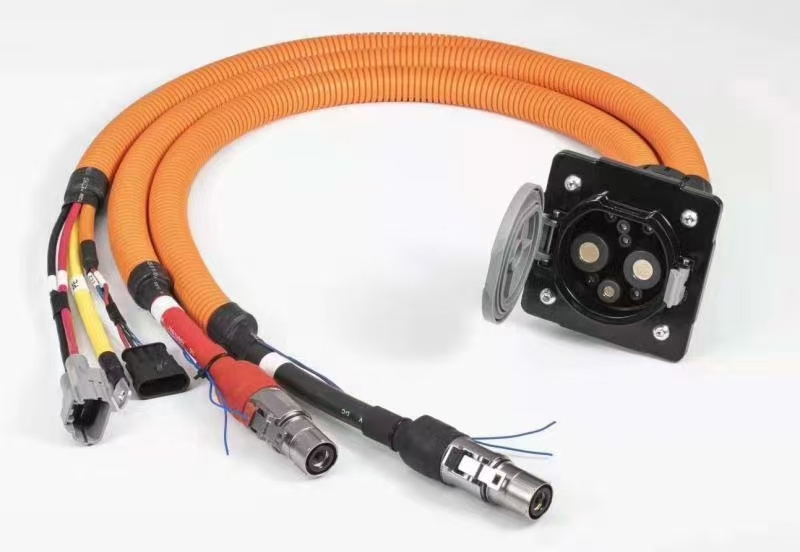

A robust custom wire harness design connects electrical requirements with the physical realities of routing, motion, heat, vibration, moisture and assembly. Industrial equipment buyers can reduce sample iterations by defining interfaces and environmental needs before asking a supplier to quote.
Translate system requirements into circuits
List each circuit’s voltage, current, signal type and grounding or shielding needs. Select conductor size and insulation based on electrical load, temperature, flexibility and applicable requirements. Document pinouts so that every connection can be checked.
The wire harness manufacturing page provides a practical scope for drawings, pinouts and material review.
Design for routing and installation
Define branch locations, lengths, bend areas, retention points and service loops using the installation envelope. Consider abrasion, sharp edges, heat sources, moving parts and access during final assembly.
Industrial projects can connect the harness review with the Industrial Electronics & Automation application page.
Select connectors, terminals and protection
Connector choice depends on circuit count, current, mating cycles, sealing, keying, size and availability. Terminal and seal combinations must match the wire. Add conduit, braid, tape, heat-shrink or grommets where the environment and routing require them.
Use the connector coordination capability to review interface data and alternatives.
Define crimping and electrical tests
Crimp requirements should identify the terminal, wire and applicable criteria. First-article validation may include crimp-height checks, pull-force testing or section review according to project needs. Production electrical testing usually begins with continuity and short-circuit checks.
Additional resistance, hipot or functional tests should have defined limits and fixtures. Align the evidence with the quality control approach.
Release documentation for repeat production
The controlled package should include the drawing, BOM, wire table, pinout, test specification, labels, packaging and revision history. Sample findings should be incorporated before production release.
For harnesses delivered as part of a device, coordinate fit and installation through product assembly support and request review through Request a Quote.
RFQ checklist
- Circuit table with voltage, current and signal information
- Wire size, insulation, color and applicable requirements
- Connector, terminal, seal and mating interface data
- Routing dimensions, branch points and protective materials
- Crimp, continuity and additional test requirements
- Labeling, packaging and revision control
Frequently asked questions
What information determines wire size?
Current, allowable voltage drop, ambient temperature, bundle conditions, length, flexibility and applicable standards all influence conductor size.
When is shielding needed?
Shielding may be required for noise-sensitive signals or electromagnetic compatibility goals. The grounding method and termination need to be defined with the system design.
How should branch dimensions be specified?
Use a controlled datum and define branch breakout positions, leg lengths and tolerances in the installed orientation when possible.
Can protective materials be selected during DFM?
Yes. Provide the environmental and routing conditions so conduit, braid, tape, heat-shrink or grommets can be reviewed against measurable needs.
Discuss your project
Send drawings, BOMs, quantities, quality expectations and delivery requirements. ECO ELECTRONICS will review the scope and coordinate a suitable manufacturing route.
