




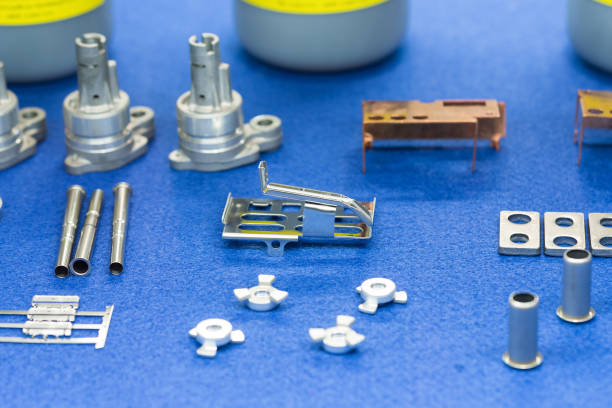
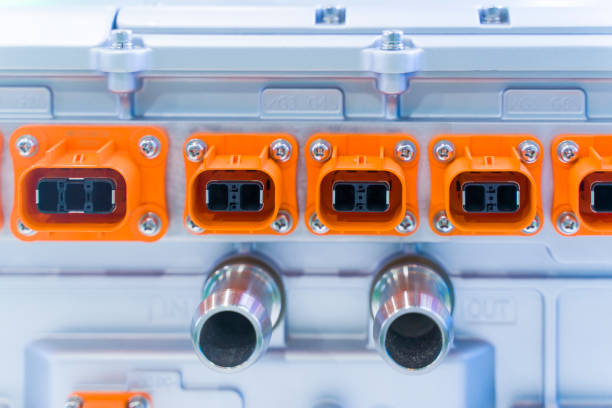
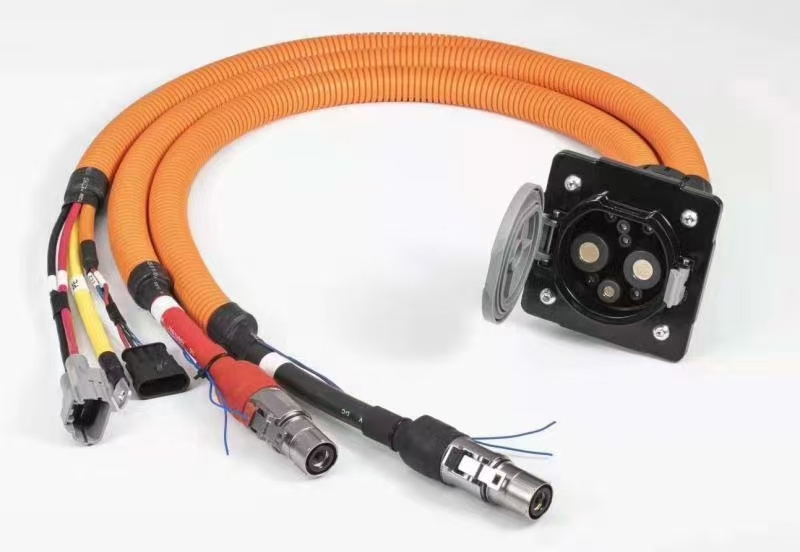
Connector selection affects electrical performance, assembly, serviceability and supply continuity. Industrial and automotive projects should evaluate the complete connection system—housing, terminals, seals, wire, mating interface and retention—against the actual environment and production process.
Begin with electrical requirements
Define voltage, current, contact resistance, circuit count, signal type and grounding or shielding needs. Derating and temperature rise may matter for higher-current applications. Use manufacturer data and applicable project requirements rather than selecting only by physical fit.
Related interconnect support is described on the Connectors and Wire Harness & Cable Assembly pages.
Review the mechanical interface
Confirm mating direction, envelope, latch access, keying, polarization, mating cycles and retention. The connector should suit both installation and service conditions. A mating sample or controlled interface drawing reduces fit risk.
Automotive and mobility applications can be reviewed in the context of vehicle-related electronic and interconnect components.
Match sealing and materials to the environment
Moisture, dust, chemicals, temperature, vibration and UV exposure influence housing, seal and plating selection. A sealing designation only has meaning when the complete mated system and cable entry are correctly assembled.
Document the environment and validation method. Avoid assigning performance to a connector based only on appearance or a generic product family name.
Check terminal and wire compatibility
The terminal, seal and wire combination must match conductor size, insulation diameter and crimp process. Confirm tooling access, strip length, crimp requirements and repair strategy. Samples should be evaluated as a complete terminated connection.
Quality checkpoints can be planned through the engineering and quality coordination process.
Manage availability and approved alternatives
Availability, minimum order quantity, lifecycle status and regional sourcing can affect a technically suitable choice. Identify approved manufacturers and the process for alternatives before the program scales.
Include connector data, mating part numbers, quantities and schedule in the RFQ package. Contact ECO ELECTRONICS for project-specific sourcing and manufacturing coordination.
RFQ checklist
- Voltage, current, circuit and signal requirements
- Mating interface, envelope, keying and retention
- Temperature, vibration, moisture and chemical exposure
- Terminal, seal, wire and crimp compatibility
- Mating cycles, service and validation requirements
- Approved manufacturers, alternatives and volume forecast
Frequently asked questions
Is an IP rating enough to select a connector?
No single rating defines the full application. Review the complete mated system, cable entry, assembly process, temperature, chemicals and validation method.
Can two similar housings use different terminals?
Yes. Connector families may support several terminal and seal options. Verify the exact combination against wire size, plating and current requirements.
Why is the mating part number important?
It confirms interface compatibility, keying and terminal system details, reducing the risk of selecting a visually similar connector.
How can supply risk be reduced?
Review lifecycle status, lead time, minimum order quantity and qualified alternatives early, then document the approval process for any change.
Discuss your project
Send drawings, BOMs, quantities, quality expectations and delivery requirements. ECO ELECTRONICS will review the scope and coordinate a suitable manufacturing route.
