


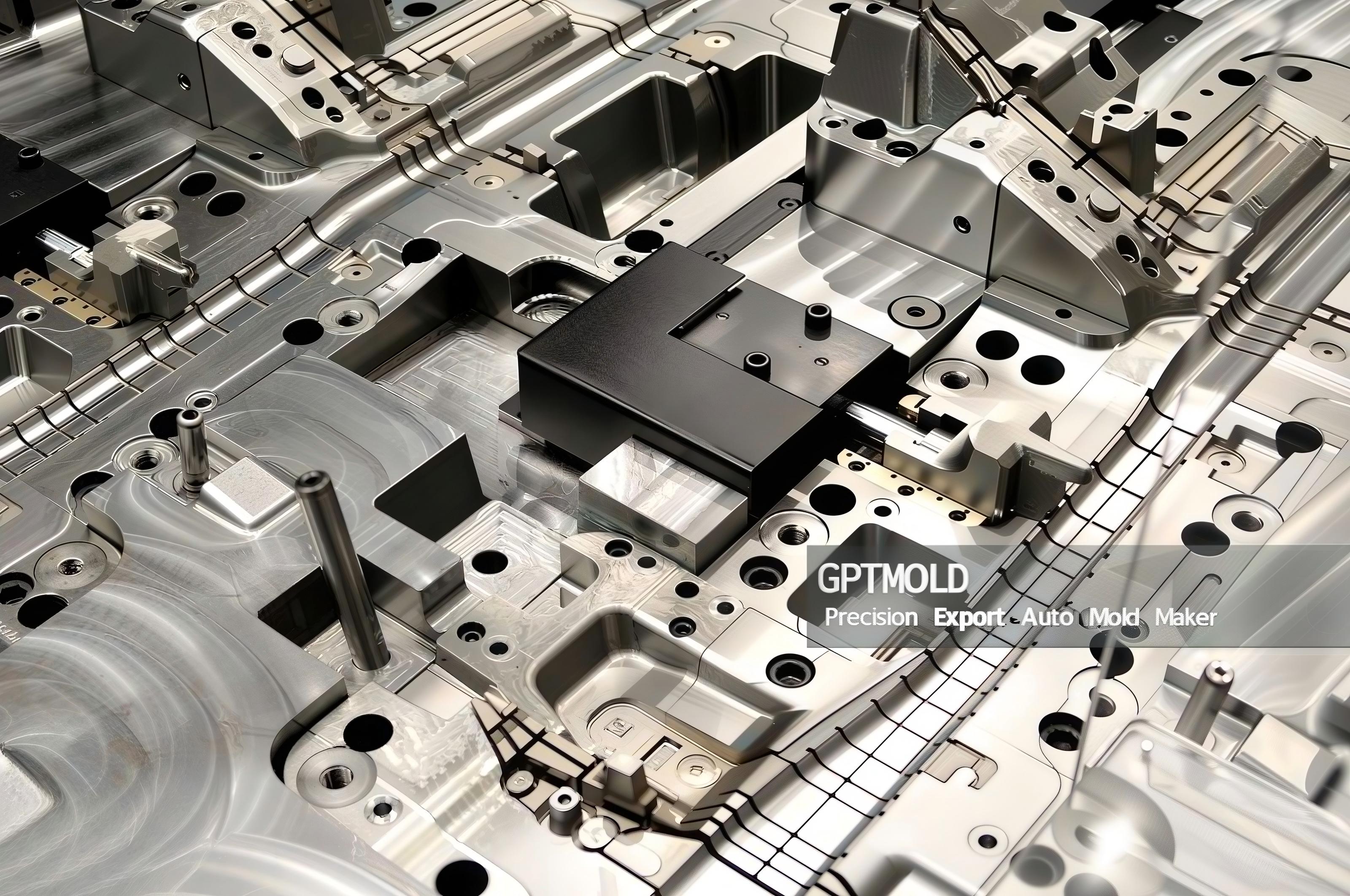
Plastic tooling
Mold requirements, part data, resin, surface, quantity and validation expectations are reviewed as a connected project package.

Automatic Pick and Place machine quickly installs Components on Generic Circuit Board. Electronics and Circuit board Manufacturing. Bright Environment

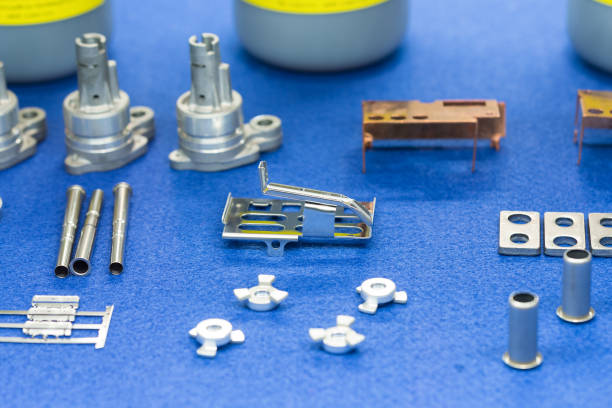
high precision steel automotive part manufacturing by CNC machining process, mass production part, high accuracy machining part
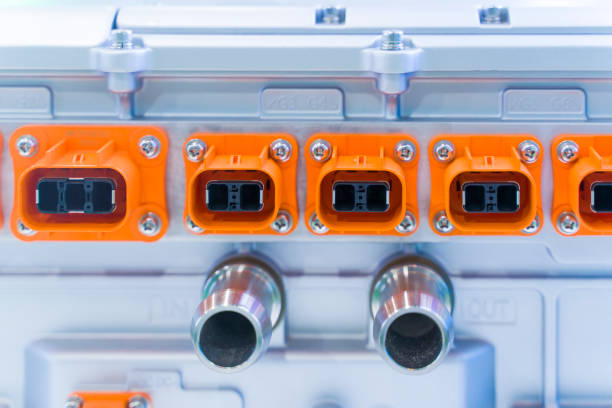
electric system of eco car front engine Automotive part concept
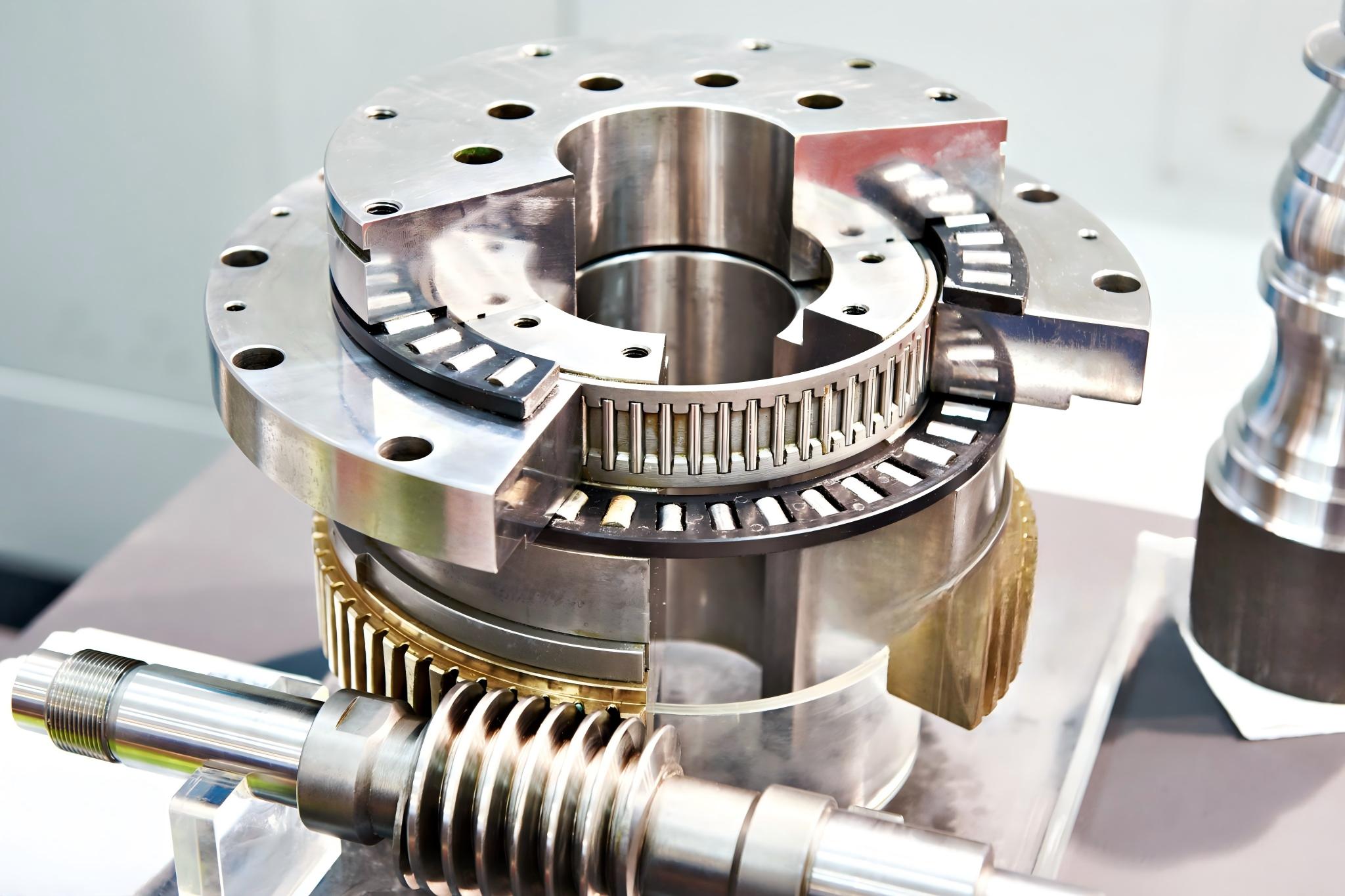
DIFFERENTIATED CAPABILITY · PRECISION COMPONENTS
Building on more than ten years of plastic tooling, optical lens mold and export project experience, ECO ELECTRONICS produces selected precision components in its own Shenzhen workshop and supports tooling, injection molding and optical-component programs.
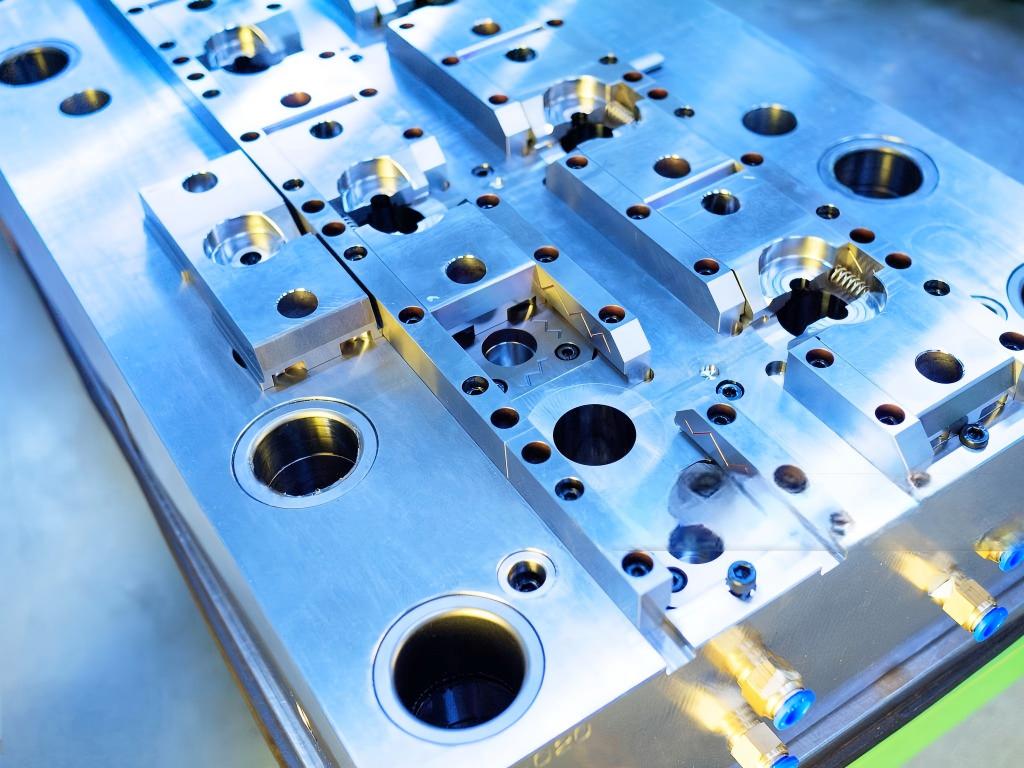
Manufacturing routes are selected according to part geometry, material, tolerance, finish, volume, quality requirements and integration needs.
Mold requirements, part data, resin, surface, quantity and validation expectations are reviewed as a connected project package.

Plastic housings, connector-related parts and other molded components can be coordinated with selected manufacturing partners.
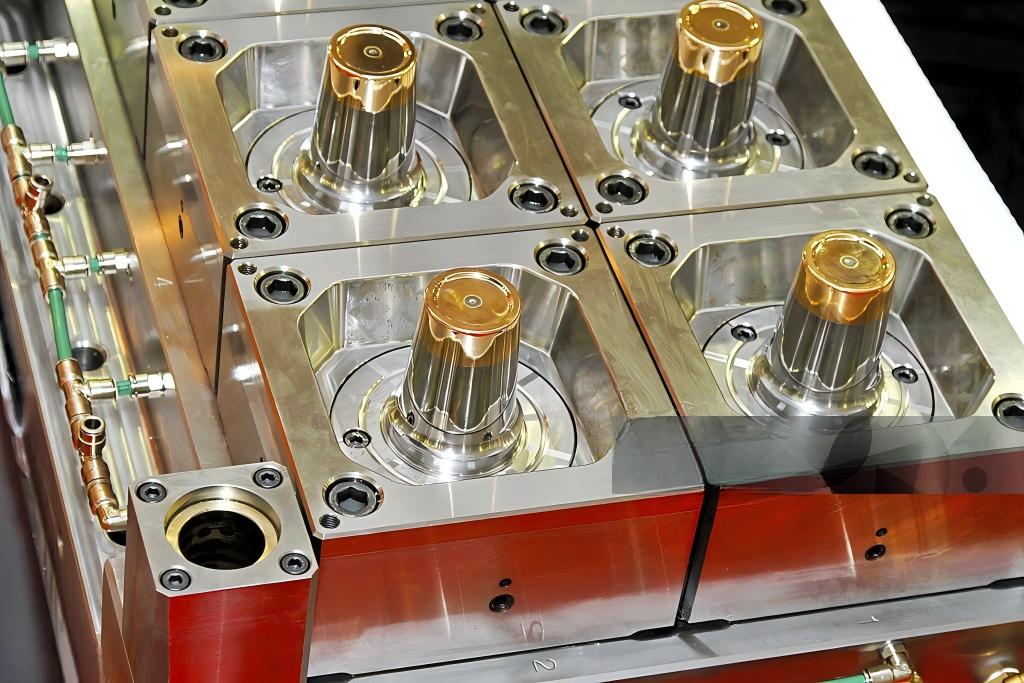
Optical lens mold and component requirements are reviewed against drawings, material, surface and application needs.
CNC-machined, die-cast or related structural components can be sourced and coordinated according to the drawing.
Finishing, marking, insert assembly and other secondary requirements are confirmed as project-specific operations.
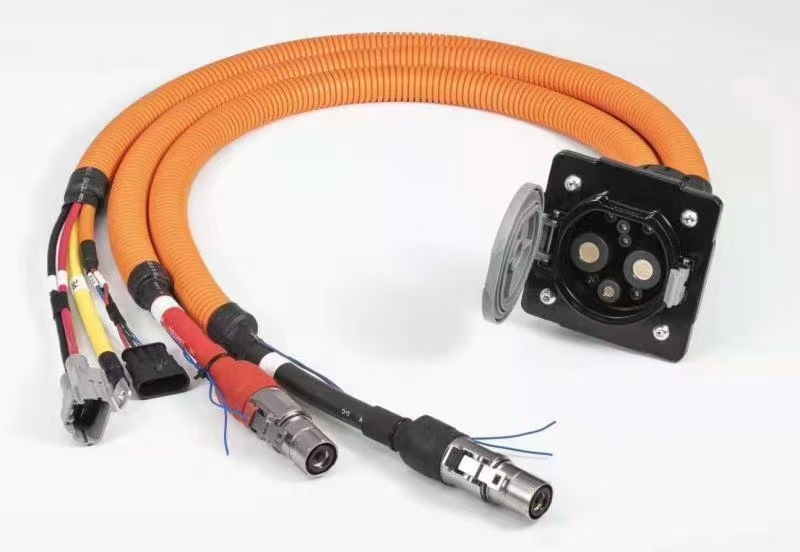
Precision parts can be combined with PCBAs, harnesses, connectors and final product assembly requirements.
PROJECT DEFINITION
The project team reviews geometry, material, critical dimensions, cosmetic surfaces, inspection requirements, volume and downstream assembly before proposing a manufacturing route.
Our own precision-component workshop and approved supporting routes review drawing-based mechanical, conductive, insulation and thermal-management parts. Material, finish, tolerance, test and documentation requirements must be defined for quotation.
Copper busbar for energy storage, laminated busbar, flexible copper busbar, insulated copper busbar, busbar for battery module and energy storage cabinet copper busbar.
Energy storage cabinet shell, battery module housing, battery tray, energy storage bracket, container energy storage structural parts and plastic module frame.
Thermal pad for battery pack, silicone foam for energy storage, insulation sheet for battery module, epoxy board, insulation paper, battery insulation bracket and silicone sealing gasket.
Liquid cooling plate for energy storage, ESS liquid cooling connector, liquid cooling pipeline for battery cabinet, heat exchanger for BESS, PTC heater, cooling fan and power heatsink for PCS.
One project interface coordinates requirements, supplier selection, samples, quality checkpoints and delivery around the needs of each project.
Review drawings, material, tolerances, finish and quantity.
Select a suitable tooling, molding, optical or metal process route.
Clarify tooling, sampling, inspection and delivery assumptions.
Coordinate samples, measurements, appearance review and feedback.
Monitor approved requirements, change control and delivery.
RFQ PREPARATION
Highlight critical dimensions, appearance surfaces and assembly interfaces so the selected supplier can review the correct risk points.
Projects may include plastic tooling, injection molded parts, optical components, CNC-machined parts, die-cast parts and related secondary processes. Final scope depends on the drawing and selected supplier.
Yes. Tooling, samples, part validation and production requirements can be managed as one project when the complete technical package is available.
Critical characteristics should be identified on the drawing. Inspection methods, sampling and report expectations are then confirmed for the selected production route.
Yes. Precision components can be coordinated with PCBA, wire harnesses, connectors, enclosures and product assembly requirements.
Share your drawings, specifications, target quantity and quality requirements for an initial project review.
