


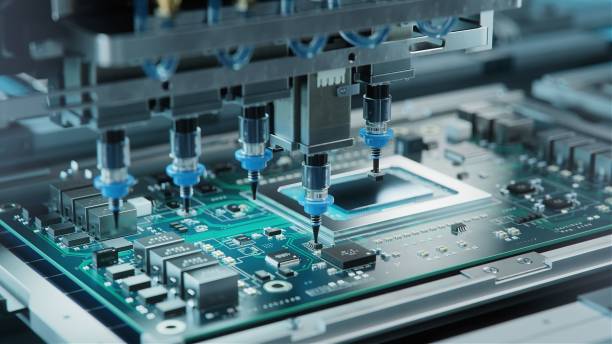
BMS PCB & PCBA
PCB sourcing, component procurement, assembly follow-up, inspection and test coordination based on customer specifications.
Automatic Pick and Place machine quickly installs Components on Generic Circuit Board. Electronics and Circuit board Manufacturing. Bright Environment

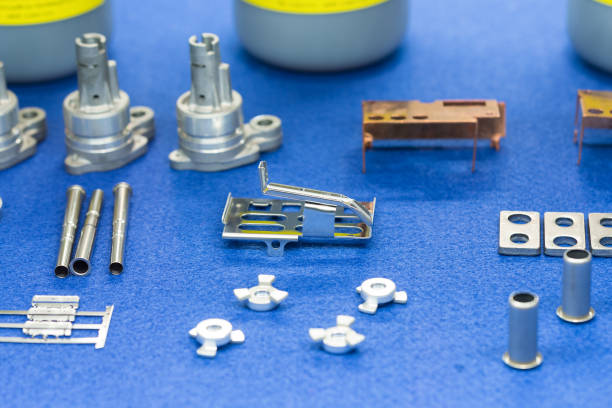
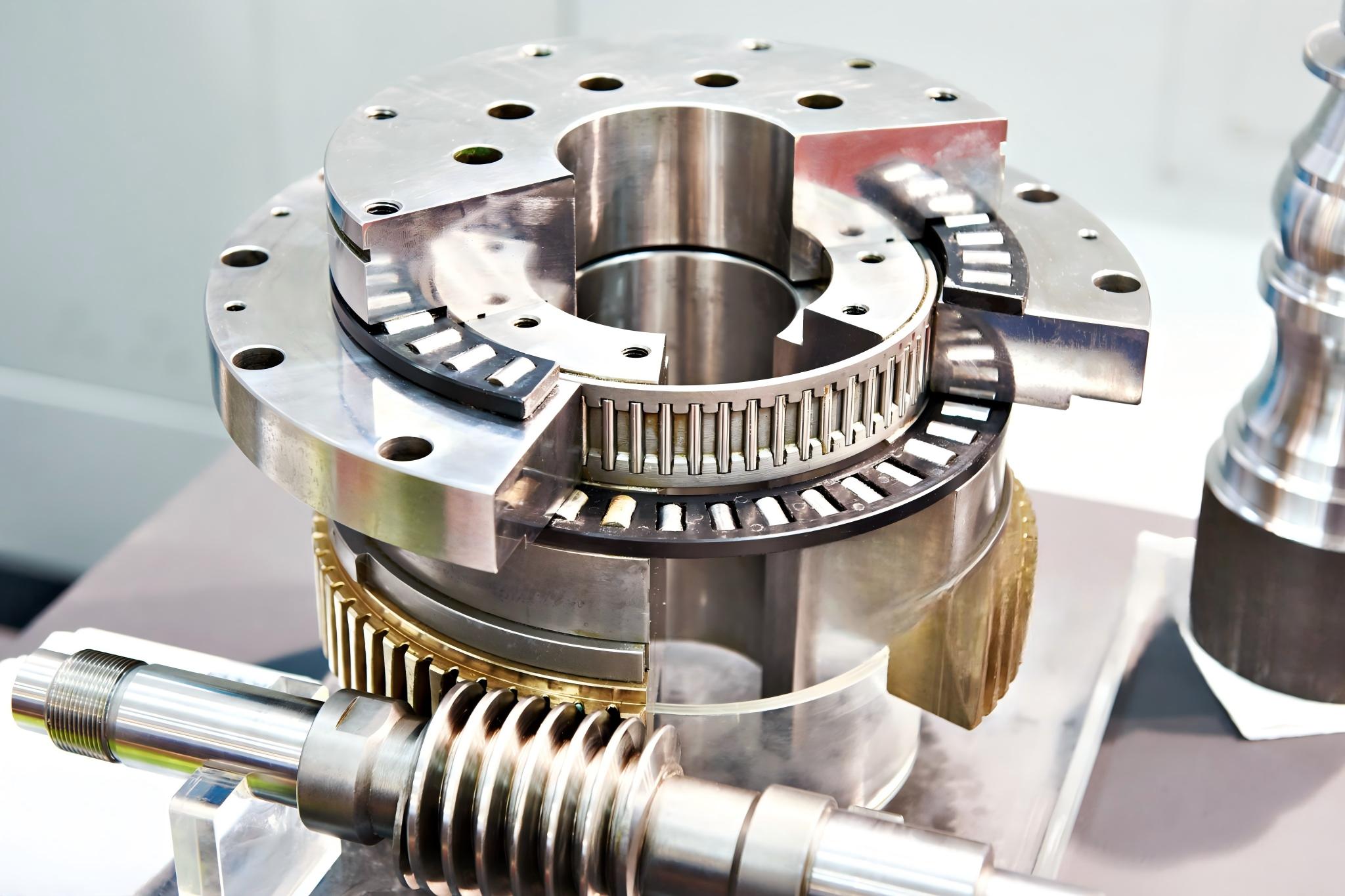
high precision steel automotive part manufacturing by CNC machining process, mass production part, high accuracy machining part
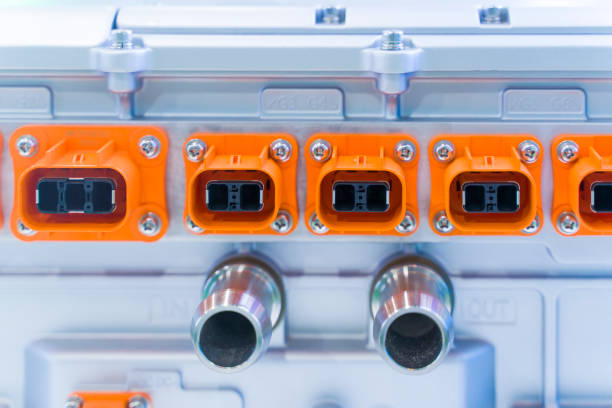
electric system of eco car front engine Automotive part concept
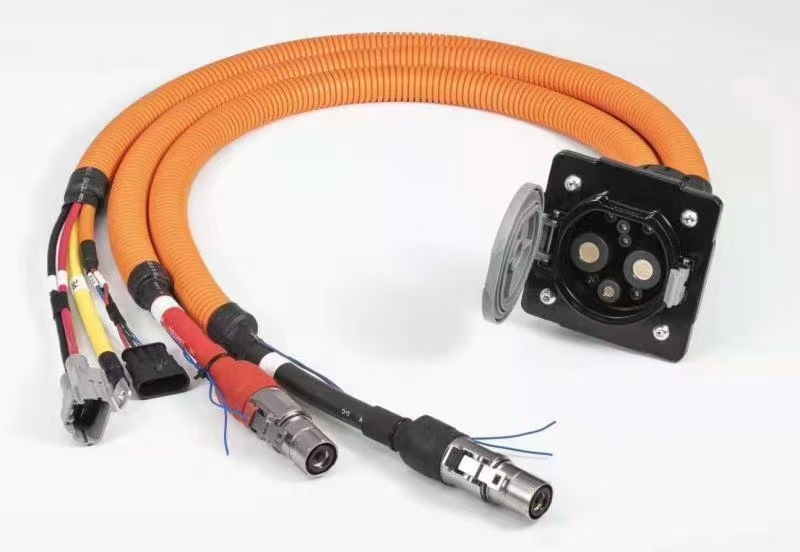
FOCUS INDUSTRY · ENERGY STORAGE
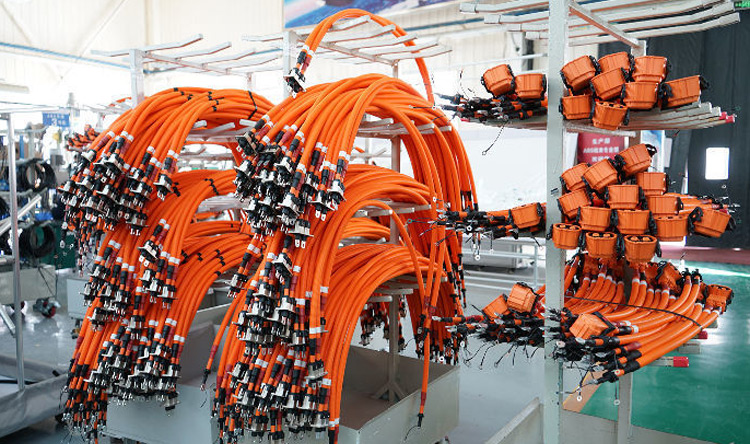
Energy-storage components are ECO ELECTRONICS’ primary export entry point. We manufacture wiring harnesses, battery interconnect cables and selected precision parts in-house, while BMS PCBAs are coordinated through qualified external partners.
Project scope is reviewed against voltage and current requirements, interfaces, environment, validation needs, volume and partner capability.
PCB sourcing, component procurement, assembly follow-up, inspection and test coordination based on customer specifications.
Wire, connector, terminal, protection, routing and test requirements are reviewed against the controlled drawing.
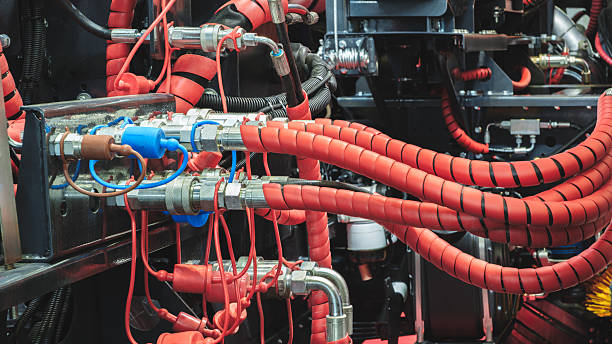
High-current cable and interconnect requirements are coordinated around interfaces, materials, protection and validation criteria.

Connector, terminal, sealing and mating requirements are reviewed as part of the electrical interconnection package.
Plastic housings, molded parts, metal components and related tooling can be coordinated for approved component-level projects.
Electronics, interconnects and structural parts can be coordinated around a defined module or subsystem assembly package.
PROJECT DEFINITION
The near-term route centers on BMS PCBA, harnesses, battery cables, connectors and plastic or metal structural parts. Complete battery cells, battery packs and ESS units sit outside the current direct manufacturing scope.
We review defined energy storage system components and BESS spare parts for home energy storage and utility-scale energy storage projects. Each item is assigned to an in-house, qualified external or customer-approved supply route before quotation.
Typical RFQs include an ESS high voltage connector, BESS high current connector, energy storage battery connector, HV connector for battery pack, energy storage cluster connector, energy storage cable harness and ESS high voltage cable assembly. Current ratings such as 300A or 500A and waterproof requirements must be confirmed from the application.
Project scope may include copper busbar for energy storage, laminated busbar, flexible copper busbar, insulated copper busbar, busbar for battery module, nickel strip, nickel tab and aluminum connecting sheet.
Qualified external scope may include a BMS protection board for energy storage, 48V BMS board for home energy storage, BMS temperature sensor, NTC temperature sensor for battery pack, BMS sampling wire, CAN communication module, relay and battery voltage sampling module.
Drawing-based projects may include an energy storage cabinet shell, battery module housing, battery tray, energy storage bracket, container energy storage structural parts, insulation sheet, epoxy board, insulation paper, battery insulation bracket and silicone sealing gasket.
Selected project support may cover a thermal pad for battery pack, silicone foam, liquid cooling plate for energy storage, ESS liquid cooling connector, liquid cooling pipeline, heat exchanger, PTC heater, cooling fan and thermal insulation cotton.
Customer-specified projects may be reviewed for a battery energy storage explosion proof valve, explosion relief sheet, aerosol fire suppression module, temperature and smoke detector, flame sensor or fire extinguishing device for BESS. Required standards and evidence are confirmed before quotation.
Partner-supported scope may include a surge protection device, energy storage contactor, molded case circuit breaker, energy storage fuse, isolating switch, current or Hall sensor and power heatsink for PCS, subject to approved brand, rating and compliance requirements.
One project interface coordinates requirements, supplier selection, samples, quality checkpoints and delivery around the needs of each project.
Define the exact electronics, interconnect or structural component package.
Confirm files, ratings, interfaces, environment and quantities.
Assign each item to an in-house, qualified external or customer-approved supply route.
Coordinate samples, inspection records and application feedback.
Track approved requirements, quality checkpoints and delivery.
RFQ PREPARATION
Clear electrical, mechanical and environmental requirements help identify a practical manufacturing and validation route.
Yes. Review can cover PCB sourcing, component procurement, assembly, inspection and project-specific test coordination.
Yes. Harnesses, battery interconnects, terminals, connectors and protection requirements can be reviewed as one package.
The current direct scope focuses on defined component and assembly projects rather than battery cells, complete battery packs or ESS units.
Records depend on the project requirements and verified capability of the selected manufacturing route. Required documents should be defined during RFQ review.
Yes, when the required voltage, current, mating interface, cable size, IP rating, temperature range, standard and validation method are included in the RFQ. The rating is confirmed for the quoted design.
Compliance documents are confirmed for the specific quoted component and manufacturing route. Availability should be written into the RFQ and contract requirements.
Share your drawings, specifications, target quantity and quality requirements for an initial project review.
