





A complete wire harness manufacturing RFQ reduces quotation gaps, sample delays and avoidable changes. The most effective packages define every interface: wire, terminal, connector, la protection, le routage, étiquetage, test method and delivery condition. This checklist is designed for overseas OEM buyers preparing a new or transferred harness project.
Define every electrical and mechanical interface
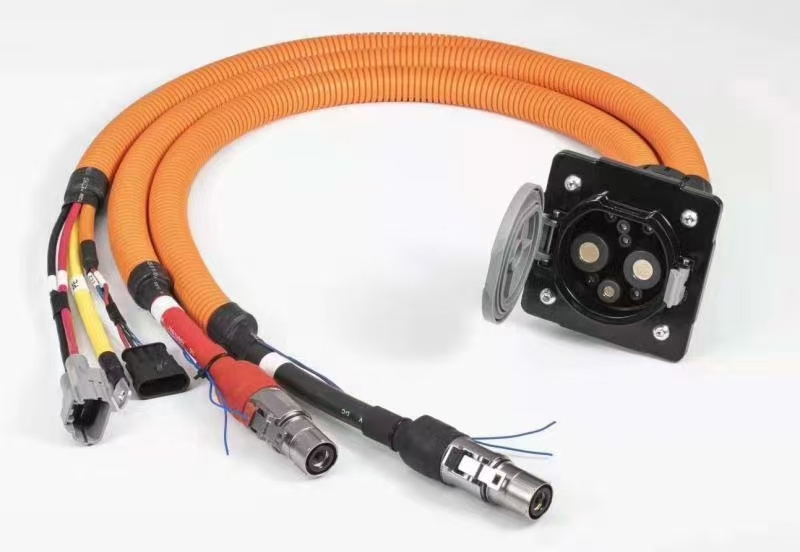
Provide a controlled drawing with circuit identification, wire gauge, insulation type, color, length, strip dimensions, bornes, seals, connectors and branch points. Add mating connector information where interface risk exists. If a drawing is still developing, mark open decisions so the supplier can separate confirmed requirements from assumptions.
Le wire harness and cable assembly capability page lists the information used to review a project. Related connector requirements can be coordinated through the connector support page.
Specify materials and approved alternatives
Call out the applicable wire standard, temperature rating, voltage rating, conductor material, insulation material and environmental requirements. For terminals and housings, provide manufacturer names and part numbers. If alternatives are acceptable, define the approval route and the performance that must remain equivalent.
Protection components such as conduit, braid, heat-shrink, tape, grommets and overmolding should be identified by material and coverage. Avoid broad phrases such as “automotive grade” without measurable requirements. For automotive and mobility projects, see the Automobile & Mobility Components scope.
Define workmanship and testing
Testing should match the risk of the assembly. Continuity and short-circuit testing are common foundations. Projects may also require resistance checks, hipot, pull-force verification, dimensional inspection or functional testing with mating hardware. State whether test fixtures or test reports are required.
Agree on crimp validation, first-article review and acceptance criteria before sample build. Photographs can support communication, while controlled drawings and approved specifications remain the release basis. Le quality page describes the project checkpoint approach.
Provide realistic volumes and packaging needs
Quotation accuracy depends on prototype quantity, batch size, annual usage and expected order frequency. These values affect material purchasing, tooling, fixtures and production planning. Identify target dates and whether the program is a new design, supplier transfer or cost review.
Packaging should prevent terminal damage, deformation, contamination and label confusion. Define individual bagging, bundle quantity, barcode content, carton limits and export labels where required.
Create an approval path from sample to repeat order
A controlled sample build should confirm materials, dimensions, le routage, electrical performance and appearance. Record approved deviations and drawing updates. Production can then reference a signed sample or approved inspection report together with the released drawing revision.
If the harness connects to a PCBA or final device, treat the interfaces as one project. Review PCBA support, product assembly and the RFQ guide before requesting a combined quotation.
RFQ checklist
- Controlled harness drawing and pinout
- Wire, terminal, connector and protection specifications
- Mating interface and routing constraints
- Continuity, resistance, hipot or functional test requirements
- Prototype quantity, annual volume and order frequency
- Labeling, packaging, traceability and shipping requirements
Frequently asked questions
What drawing format is best for a wire harness RFQ?
A controlled PDF drawing is widely usable. Include the pinout, bill of materials, dimensions, tolerances, wire table and applicable standards. Native files can be shared when collaboration requires them.
Should I specify terminal pull-force requirements?
Specify applicable crimp and pull-force criteria when they are important to the program. The requirement should match the terminal, wire size and relevant standard or customer specification.
Can a supplier recommend alternative connectors?
Yes, when the electrical, mechanical, environmental and availability requirements are clear. Alternatives should receive written approval before purchase or sample release.
What information most often delays a quotation?
Missing pinouts, incomplete part numbers, unclear test expectations, unknown quantities and undefined mating interfaces frequently create quotation delays.
Discuss your project
Send drawings, BOMs, quantities, quality expectations and delivery requirements. ECO ELECTRONICS will review the scope and coordinate a suitable manufacturing route.
