





Selecting a PCBA manufacturing partner in China requires more than comparing unit prices. Overseas buyers need a supplier route that can review design data, control component sourcing, coordinate assembly and inspection, and communicate clearly when a project changes. This guide explains the evidence to request before moving from quotation to prototype and repeat production.
Start with the manufacturing scope
Define whether the project needs bare PCB sourcing, SMT, through-hole assembly, programming, functional testing, conformal coating, box build or export packing. A clear scope allows suppliers to identify process limits early. ECO ELECTRONICS supports overseas projects through engineering coordination in Shenzhen and qualified manufacturing partners, with the project route matched to the drawing, volume and quality requirements.
Separate technical requirements from commercial assumptions. PCB stack-up, material, copper weight, surface finish, component package, approved substitutions and test coverage should be confirmed before price comparison. Review our PCB & PCBA manufacturing support capabilities for the project information typically required.
Evaluate DFM and component sourcing controls
A useful DFM review should identify manufacturability risks, ambiguous polarity, component spacing, panelization constraints and test access. It should also record questions for the buyer instead of silently changing the design. For component sourcing, request manufacturer part numbers, approved alternatives and a process for handling shortages or end-of-life parts.
Buyers should understand who approves substitutions and how purchased components are verified. For higher-risk parts, agree on traceability documents, packaging inspection and storage requirements. The engineering and quality coordination page explains how requirements and checkpoints can be documented across suppliers.
Check process control and inspection evidence
Ask how solder paste, placement, reflow, AOI, X-ray, through-hole assembly and cleaning are controlled for the specific board. The exact inspection route depends on package type and risk. A supplier should be able to explain the checkpoints used for the project and provide reviewable records where agreed.
Inspection criteria, sampling expectations and acceptance decisions belong in the quotation package. The objective is a repeatable route from approved sample to production, supported by change control. See the site’s quality coordination approach for a practical framework.
Compare quotations on the same basis
A low unit price can hide tooling, programming, fixtures, test development, component risk or shipping assumptions. Compare quotations using the same quantity breaks, Incoterm, test coverage, lead-time basis and packaging requirements. Record exclusions so that later changes remain visible.
For a useful quotation, provide Gerber or ODB++ data, BOM, centroid data, drawings, firmware or programming instructions, test requirements, estimated annual usage and target schedule. The RFQ guide provides a structured checklist.
Move from prototype to controlled production
Prototype success should be measured against agreed functions and acceptance criteria. Record deviations, rework, approved substitutions and test results before releasing the production build. Repeat production then follows the approved data set, with changes reviewed before implementation.
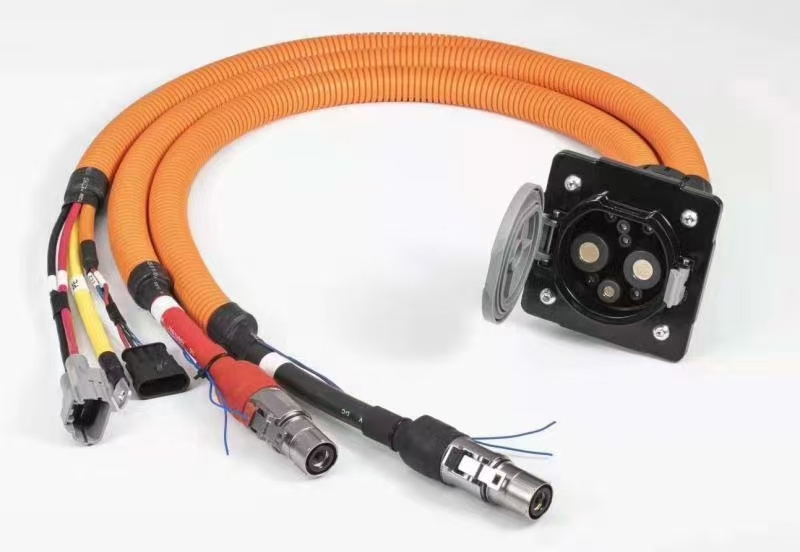
For projects combining boards with cables, connectors or final integration, coordinate the interfaces early. Explore wire harness manufacturing support y product assembly coordination to build one connected project package.
RFQ checklist
- Gerber or ODB++ files and fabrication notes
- BOM with manufacturer part numbers and approved alternatives
- Centroid data, assembly drawings and polarity information
- Programming, inspection and functional test requirements
- Prototype quantity, production forecast and required delivery date
- Packaging, etiquetado, traceability and export requirements
Frequently asked questions
What should I send for a PCBA quotation?
Send the fabrication data, BOM, centroid file, assembly drawings, test requirements, quantity breaks and delivery expectations. Clear approved-alternative rules make component sourcing more reliable.
Can prototype and production use the same supplier route?
Yes, when the prototype records, approved parts, process settings and test criteria are captured before production release. The route should be reviewed again if volume or design changes.
How should component substitutions be controlled?
List approved alternatives in the BOM or require written approval before purchase. Record the final manufacturer part number and any design impact.
Does ECO ELECTRONICS own a PCBA factory?
ECO ELECTRONICS operates as a Hong Kong business platform with Shenzhen project coordination and qualified manufacturing partners selected for each project.
Discuss your project
Send drawings, BOMs, quantities, quality expectations and delivery requirements. ECO ELECTRONICS will review the scope and coordinate a suitable manufacturing route.
